When it comes to enhancing your sexual experiences, sex toyssex toys can play a pivotal role. However, the excitement of using these intimate devices comes with a significant responsibility: maintaining their cleanliness. Understanding the importance of cleaning your sex toys is not just about preserving their functionality; it is fundamentally tied to your health and well-being. Neglecting proper hygiene can lead to a host of health risks, including bacterial infections and irritations that can detract from the pleasure these toys are meant to provide.Many people may underestimate the potential dangers associated with unclean toys.
After all, these devices come into contact with sensitive areas of the body, making them susceptible to harboring harmful bacteria if not cleaned properly. The materials used in sex toys can vary widely, from silicone to glass, and each type requires specific care to ensure they remain safe for use. Failing to adhere to proper cleaning protocols can not only compromise your health but also shorten the lifespan of your beloved toys.Moreover, regular maintenance and cleaning of your sex toys contribute significantly to their performance. Just as you would care for any other personal item, taking the time to clean and inspect your toys ensures they remain in optimal condition.
This proactive approach not only enhances your experience but also fosters a sense of responsibility and respect for your body and its needs. In this guide, we will delve deeper into the best practices for cleaning sex toys, emphasizing why this aspect of sexual wellness should never be overlooked.
Types of Sex Toys and Their Cleaning Requirements
When it comes to sex toys, understanding the different types and their specific cleaning requirements is essential for maintaining hygiene and prolonging their lifespan. Each type of toy is made from various materials, which can influence how they should be cleaned. Below, we explore some common types of sex toys and the best practices for their care.Vibrators
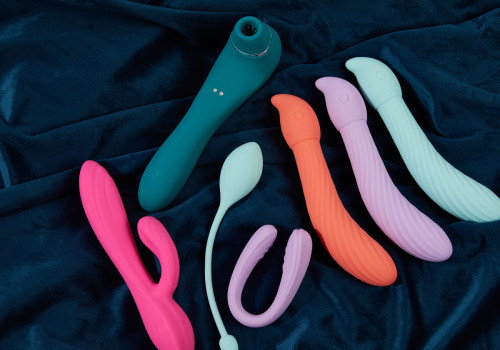
Vibrators are popular for their ability to provide intense pleasure.They can be made from materials such as silicone, plastic, or glass. For silicone vibrators , it’s crucial to use warm water and mild soap or a specialized sex toy cleaner. Avoid using alcohol-based products, as they can degrade the silicone. If your vibrator is waterproof, you can rinse it under running water; otherwise, use a damp cloth to clean it.
Dildos
Dildos come in various materials, including glass, silicone, rubber, and metal.Glass and metal dildos can be sanitized by boiling them in water for a few minutes or using a bleach solution (1 part bleach to 10 parts water). Silicone dildos should be cleaned with soap and water or a toy cleaner. Rubber dildos require more care; they should be washed with soap and water but may need to be replaced more frequently due to material degradation.
Anal Toys
Anal toys, such as butt plugs and anal beads, require special attention due to their use in sensitive areas. Most anal toys are made from silicone or glass.For silicone anal toys, follow the same cleaning methods as for vibrators—warm water and mild soap or a dedicated cleaner. Glass anal toys can be sanitized similarly to dildos. Always ensure that any anal toy has a flared base for safety.
BDSM Gear
BDSM gear can include items like restraints, whips, and paddles, often made from leather, rubber, or fabric. Leather items should be wiped down with a damp cloth and allowed to air dry; consider using a leather conditioner afterward to maintain the material's integrity.Rubber items can typically be cleaned with soap and water but should be dried thoroughly to prevent mold growth.In summary, knowing the specific cleaning requirements for each type of sex toy is vital for ensuring both hygiene and longevity. Always refer to the manufacturer's instructions when available, as they provide the best guidance tailored to your specific toy's material.
General Cleaning Guidelines for Sex Toys
Cleaning your sex toys is an essential part of maintaining both hygiene and the longevity of the products. Here are some general cleaning guidelines to follow after each use:- Read the Manufacturer's Instructions: Before cleaning, always refer to the manufacturer's guidelines. Different materials may require specific cleaning methods or products.
- Gather Your Supplies: You will need warm water, mild soap (preferably unscented), and a soft cloth or sponge.
For some toys, a specialized sex toy cleaner may be recommended.
- Rinse Immediately: After use, rinse your toy under warm running water to remove any bodily fluids or lubricants. This initial rinse helps prevent bacteria from settling on the surface.
- Wash Thoroughly: Apply a small amount of mild soap to your cloth or sponge and gently scrub the entire surface of the toy. Pay special attention to any crevices or textured areas where bacteria can hide.
- Rinse Again: After washing, thoroughly rinse the toy under warm water to ensure all soap is removed. Residual soap can irritate sensitive areas during future use.
- Dry Properly: Use a clean, dry towel to pat the toy dry.
If your toy is waterproof, you can also air dry it in a clean area. Ensure it is completely dry before storing it.
- Sanitize When Necessary: For toys that are shared between partners or used for anal play, consider sanitizing them with a solution specifically designed for sex toys or by using a 10% bleach solution (followed by thorough rinsing). Always check compatibility with the material first.
- Store Correctly: Once cleaned and dried, store your toys in a cool, dry place away from direct sunlight. Use individual bags or containers to prevent them from coming into contact with each other, which can cause damage or contamination.
Regular cleaning not only protects your health but also enhances the overall experience by keeping your toys in optimal condition.
Cleaning Different Materials: A Detailed Guide
When it comes to cleaning sex toys, understanding the material is crucial for maintaining their integrity and ensuring a safe experience. Different materials require specific care to prevent damage and prolong their lifespan. Below is a detailed guide on how to clean various types of sex toys, including silicone, glass, and metal.Cleaning Silicone Toys
Silicone is a popular material for sex toys due to its body-safe properties and smooth texture. To clean silicone toys:- Use warm water and mild soap: Rinse the toy under warm water and apply a small amount of gentle soap.
Avoid harsh chemicals that can degrade the silicone.
- Consider boiling: For a deeper clean, you can boil silicone toys for 3-5 minutes. Ensure they are fully submerged and avoid boiling toys with electronic components.
- Dry thoroughly: After washing, pat the toy dry with a clean towel or let it air dry completely before storing it.
Cleaning Glass Toys
Glass sex toys are non-porous and easy to clean, making them a hygienic choice. Here’s how to care for them:- Wash with soap and water: Use warm water and mild soap to clean glass toys. Their smooth surface makes them easy to rinse off.
- Sanitize with alcohol: For extra sanitation, wipe down the toy with isopropyl alcohol (at least 70%) or use a specialized toy cleaner.
- Avoid extreme temperatures: While glass can withstand heat, avoid sudden temperature changes that could cause cracking.
Cleaning Metal Toys
Metal sex toys are durable and often provide unique sensations.To keep them in top condition:
- Wash with soap and water: Similar to glass, metal toys can be cleaned with warm water and mild soap. Rinse thoroughly to remove any residue.
- Use antibacterial wipes: For quick cleaning, antibacterial wipes can be effective. Ensure they are safe for use on metal surfaces.
- Avoid abrasive cleaners: Do not use harsh scrubbing pads or abrasive cleaners that could scratch the surface of the metal.
The Role of Lubricants in Toy Maintenance
When it comes to using sex toys, the choice of lubricant plays a pivotal role not only in enhancing pleasure but also in maintaining the integrity and longevity of the toys themselves.Understanding the different types of lubricants available and their compatibility with various materials is essential for a safe and enjoyable experience.
Types of Lubricants
- Water-Based Lubricants: These are the most versatile and widely recommended lubricants for use with sex toys. They are safe for all materials, including silicone, glass, and rubber. Water-based lubes are easy to clean up, as they can be washed off with soap and water. However, they may require reapplication during use, as they can dry out more quickly than other types.
- Silicone-Based Lubricants: Known for their long-lasting properties, silicone-based lubes provide a smooth glide that can enhance pleasure.
However, they should not be used with silicone toys, as they can degrade the material over time. Silicone lubes are also more challenging to clean off, often requiring soap and water or specialized cleaners.
- Oil-Based Lubricants: While these can offer a luxurious feel and are great for external use, oil-based lubes should generally be avoided with most sex toys, especially those made from latex or silicone. They can break down these materials, leading to damage and potential health risks.
Compatibility with Materials
Understanding the material composition of your sex toys is crucial when selecting a lubricant. Here’s a quick guide:- Silicone Toys: Avoid silicone-based lubricants to prevent degradation.
Stick to water-based options for safe use.
- Glass or Metal Toys: These materials are compatible with all types of lubricants, but water-based lubes are often preferred for easy cleanup.
- Rubber or Jelly Toys: Use only water-based lubricants to avoid damaging these softer materials.
Sanitizing vs. Cleaning: What’s the Difference?
When it comes to maintaining the hygiene of your sex toys, understanding the distinction between cleaning and sanitizing is essential. While both processes are crucial for ensuring your toys remain safe and effective, they serve different purposes and involve different methods.Cleaning
refers to the removal of dirt, debris, and bodily fluids from the surface of your toys.
This process typically involves using warm water and mild soap or a specialized sex toy cleaner. Cleaning is important after each use to prevent the buildup of bacteria and ensure that your toys are ready for the next session.
Sanitizing
, on the other hand, goes a step further. It involves using methods that reduce the number of germs and bacteria on your toys to a safe level. Sanitization is particularly important if you share your toys with a partner or if they have been in contact with bodily fluids.
This process helps to minimize the risk of infections and ensures that your sexual experiences remain pleasurable and safe.
Best Methods for Sanitizing Sex Toys
To effectively sanitize your sex toys, consider the following methods:- Boiling Water: For non-electronic, waterproof toys made from materials like silicone or glass, boiling them in water for 5-10 minutes can effectively kill most germs.
- Antibacterial Wipes: These are convenient for quick sanitization. Ensure that the wipes are safe for use on your toy's material.
- Soap and Water: After cleaning with soap and warm water, follow up with a rinse in a solution of water mixed with a few drops of bleach (1:10 ratio) for thorough sanitization. Rinse well afterward to remove any bleach residue.
- Specialized Sex Toy Cleaners: Many brands offer cleaners specifically designed for sanitizing sex toys. These products often contain antibacterial agents that effectively kill germs without damaging the toy's material.
By incorporating both practices into your routine, you can maintain a high standard of hygiene and enjoy safer sexual experiences.
Storage Tips for Clean and Safe Sex Toys
Proper storage of your sex toys is just as important as cleaning them. After you have thoroughly cleaned your toys, the next step is to ensure they are stored in a way that maintains their condition and hygiene. Here are some essential tips for storing your sex toys effectively:- Choose the Right Storage Container: Opt for a dedicated storage container that is clean and dry. Many manufacturers provide pouches or boxes specifically designed for their products.
If not, consider using a soft fabric bag or a hard case that can protect your toys from dust and damage.
- Avoid Mixing Materials: Different materials can react negatively with each other. For instance, silicone toys should not be stored with jelly or rubber toys, as they can degrade each other over time. Keep toys made from different materials in separate bags or compartments.
- Keep Toys Dry: Ensure that your toys are completely dry before storing them. Moisture can lead to mold and bacteria growth, which can compromise both the toy's integrity and your health.
After cleaning, allow them to air dry or use a clean towel to pat them dry.
- Temperature Control: Store your sex toys in a cool, dry place away from direct sunlight and extreme temperatures. Heat can warp materials, while cold can make some materials brittle. A drawer or a closet is often an ideal location.
- Organize for Accessibility: While it’s important to keep your toys safe, it’s also beneficial to organize them in a way that makes them easy to access when needed. Consider labeling containers or using clear bags so you can quickly find what you’re looking for without rummaging through everything.
Proper storage not only protects your investment but also ensures that your next experience is as pleasurable and safe as possible.
Common Mistakes to Avoid When Cleaning Sex Toys
Cleaning your sex toys is essential for maintaining hygiene and prolonging their lifespan. However, many people make common mistakes that can compromise both the effectiveness of the cleaning process and the integrity of the toys themselves. Here are some frequent errors to avoid when cleaning your sex toys:- Using Harsh Chemicals: One of the most significant mistakes is using harsh chemicals or abrasive cleaners. Products like bleach or alcohol can damage the materials of your toys, leading to degradation and potential health risks.
Instead, opt for mild soap and warm water or a cleaner specifically designed for sex toys.
- Neglecting to Read Manufacturer Instructions: Each sex toy may have specific cleaning requirements based on its material. Failing to read the manufacturer’s instructions can lead to improper care. Always check for guidelines on cleaning methods and recommended products.
- Not Cleaning After Every Use: Some users may think that a quick rinse is sufficient, but it’s crucial to clean your toys thoroughly after each use. This helps prevent the buildup of bacteria and ensures a safe experience during your next session.
- Ignoring Waterproof Features: For waterproof toys, it might be tempting to submerge them completely in water for cleaning.
However, even waterproof toys can have vulnerable areas like charging ports that should not be submerged. Always follow the specific cleaning instructions for waterproof devices.
- Using Oil-Based Lubricants with Silicone Toys: If you use silicone-based sex toys, avoid oil-based lubricants as they can break down the material over time. Stick to water-based lubes that are safe for all types of toys.
- Storing Toys Without Cleaning: Another common mistake is storing toys without proper cleaning. Always ensure your toys are clean and completely dry before storing them in a cool, dry place.
This prevents bacteria growth and keeps them in good condition.